
No products in the cart.
We’re sticklers for the rules. Sometimes.
The way we see it, if you know how to do it “right” (if there is such a thing), then you can do it however you like it best. Personally, I like my coffee roasted dark, but my first cup is a little less strong. Is that the right way? It’s the way I like it so what does “right” have to do with it.
So, technically speaking, grind size, water temp, and steep time is different (and matters) for every method. Get the ratio right and the rest is mostly forgiveness. This guide is just a guide. It’s the “here is how to get the most out of your First Ascent, Open Road, or Switchback coffees.” Don’t be too precious about it.
| Roast | Style | Grind adjustment |
|---|---|---|
| Open Road | Medium Dark | Standard grind, standard everything |
| Switchback | French Roast Dark | One notch coarser, one degree cooler |
| First Ascent | Extra Dark | Coarsest end, water just off boil, don’t push it |
Darker roasts are more brittle and they have more surface area. Grind it fine and you’ll pull something bitter enough to strip paint. Go coarser than you think. Darker roasts forgive a lot of things. They don’t forgive that.
Coarse for French press, medium-fine for pour over, medium for drip, fine-medium for moka pot, fine for espresso. Darker roasts go one notch coarser than the roast beside them.
| Method | Texture | Open Road | Switchback | First Ascent |
|---|---|---|---|---|
| French Press | Coarse, like sea salt | Coarse | Coarse+ | Coarsest |
| Pour Over | Medium-fine, like table salt | Medium-fine | Medium | Medium+ |
| Drip Machine | Medium, like sand | Medium | Medium+ | Medium+ |
| Moka Pot | Fine, finer than drip, coarser than espresso | Fine-medium | Fine-medium+ | Fine-medium+ |
| Espresso | Fine, like powdered sugar, not dust | Fine | Fine+ | Fine+ |
Or don’t. If your grinder only has one setting and it’s been that way for two years, your coffee is probably fine. Taste it before you fix something that isn’t broken.
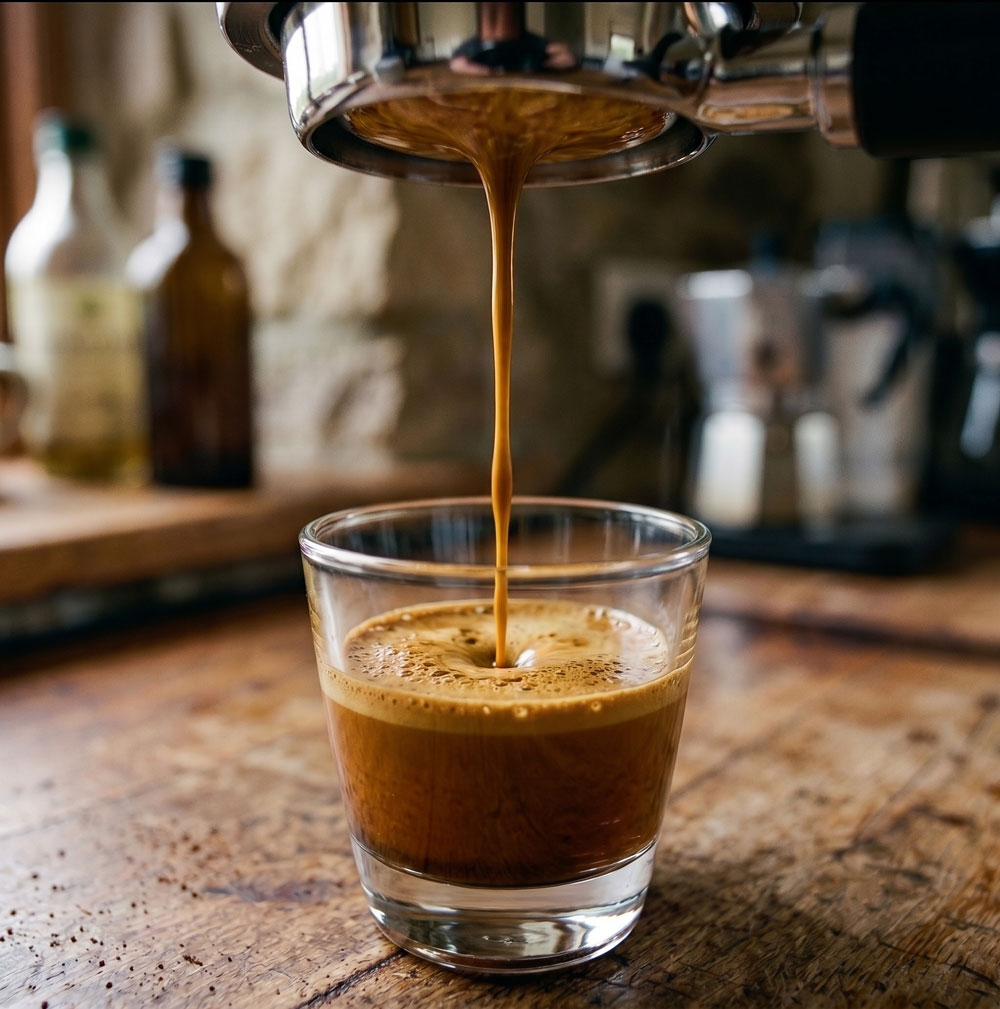
On espresso, I might be a bit more of a stickler. If your grind is too fine, it will be more bitter. If it is too coarse it will be more sour. This has to do with how much time the water has to pull out flavor and what flavor it pulls out.
But now you know how to adjust for what you like. You like that Hazy Sour IPA? By all means grind coarser.
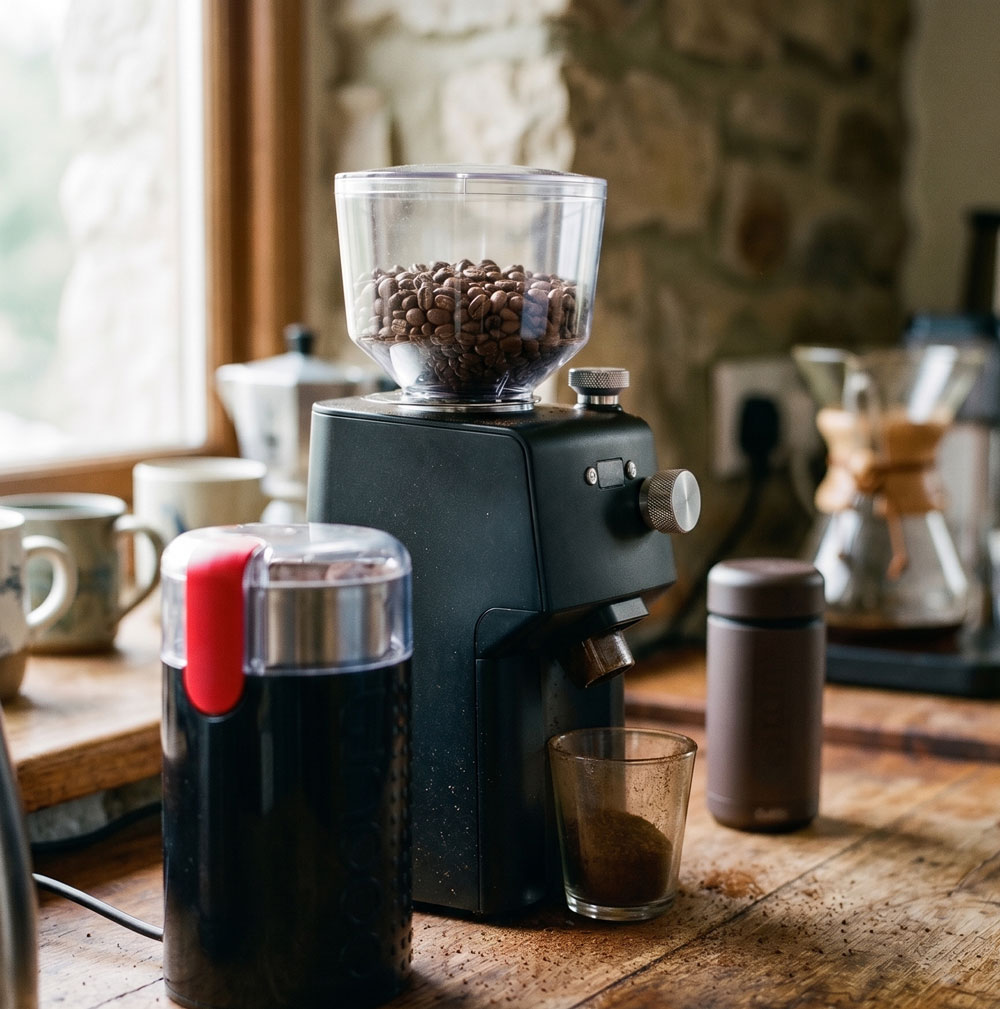
Many folks online will tell you to spend money on a good coffee mill vs a blade grinder. We agree. But needs must. My grinder is set for espresso grinds so when I want drip I use a blade grinder. It’s just not worth the hassle for me. Again, what works best for you is best.
Somewhere between 1:15 and 1:17 for most brew methods, tighter for espresso, looser for drip.
| Method | Ratio | Example |
|---|---|---|
| French Press | 1:15 | 30g coffee to 450ml water |
| Pour Over | 1:16 | 25g coffee to 400ml water |
| Drip Machine | 1:17 | 60g coffee to a full 10-cup pot |
| Moka Pot | 1:8, packed not tamped | 18g coffee, fill the basket level |
| Espresso | 1:2 | 18g in, 36g out |
Weigh it if you own a scale, eyeball it if you don’t. A scale gets you consistency from day to day. A scoop gets you coffee. Both are correct answers depending on how much you care that morning.
French Press. Steep 4 minutes flat. Break the crust at 4:00, wait 30 seconds, plunge slow. Rushing the plunge kicks up sediment and you’ll be chewing your last sip. But on the plus side, it’s breakfast and coffee in one.
Pour Over. Bloom first. Wet the grinds and let them soak. Twice the coffee weight in water, 30 to 45 seconds, let it gas out before you pour the rest. Skip the bloom and you’re just making weak coffee slowly. Total brew time lands around 2:30 to 3:30.
Espresso. 3 to 5 second pre-infusion at low pressure before the shot ramps up. Shot itself runs 25 to 30 seconds. Longer than that and you’re extracting things that make your face do funny things. Great for guitar solos, coffee, not so much.
Moka Pot. No bloom, no steep. Low heat, lid cracked, pull it off the burner the second it starts gurgling. Let it finish on residual heat off the stove. High heat on a moka pot is how you get scorched coffee and a burn on your thumb.
Drip Machine. Full cycle, 4 to 6 minutes depending on the machine. Pre-infusion is built into most decent machines now. If yours doesn’t have it, that’s fine. Not as “good”, but fine. Like that last online date.
Or skip it. If you’re out the door in four minutes and the bloom is the difference between coffee and no coffee, take the coffee. Imperfect coffee beats an empty cup every time.
195°F to 205°F, just off a full boil, not mid-boil. Darker roasts run the cooler end.
195°F to 200°F for Switchback and First Ascent. Push a First Ascent with boiling water and you’ll taste ash before you taste coffee.
No thermometer, no problem. Boil it and let it sit 30 seconds off the heat. That’s close enough for anyone who isn’t entering a brewing competition.
This is where drip coffee makers tend to fall apart. They either don’t get up to a good temp or start to lose the ability to get there over time. Resisting the urge to make an age comparison here. A good drip or extraction coffee maker will change your life.
Grind fresh, right before you brew. Pre-ground coffee starts losing its flavor within thirty minutes of contact with air. That bag on your counter from last week is fine for emergencies. It’s not the goal.
Use filtered water if you’ve got it. Coffee is mostly water. You can taste crisp clean water in your cup. Conversely, you can taste chlorinated water in your coffee. Want to REALLY step it up, reverse osmosis with an alkalizing process. Now THAT is a nice cup of water.
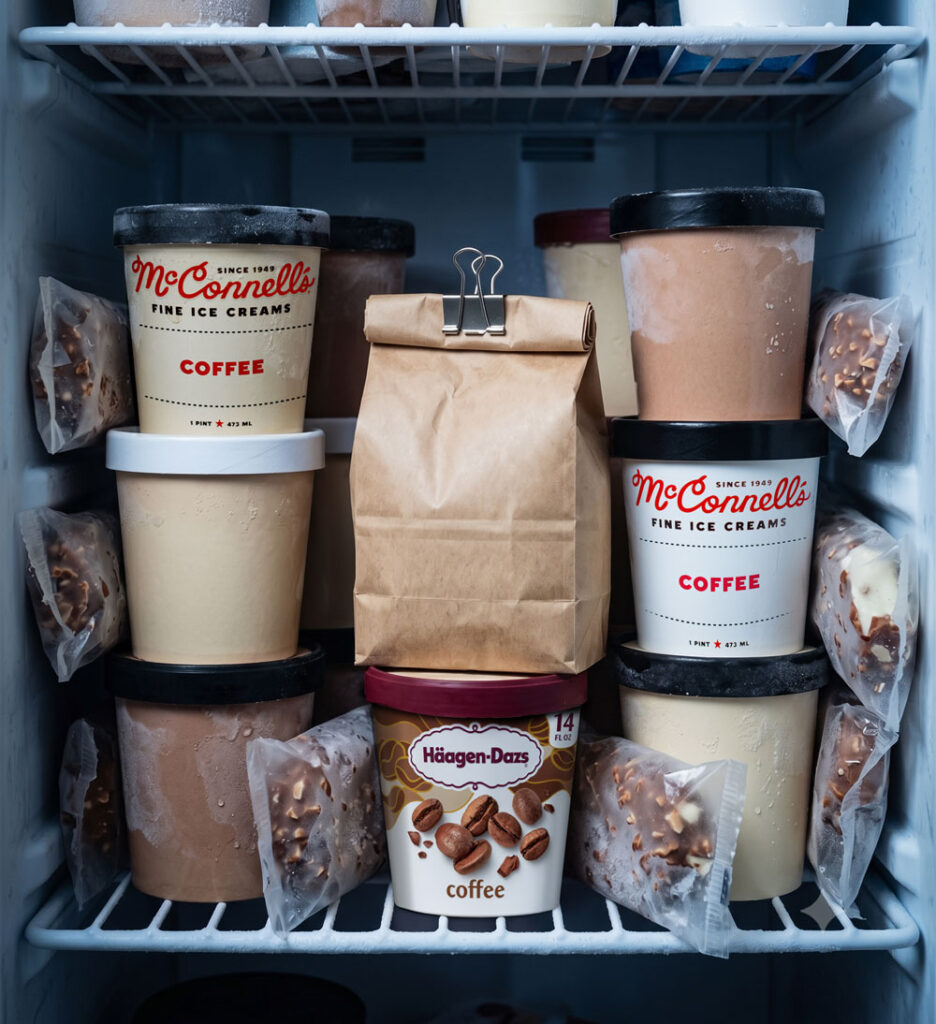
Store the bag sealed, away from light, away from the stove. Not the freezer. I like a vacuum sealed container. But truth be told, I keep some emergency beans in the freezer. Is it right? Meh.
Black, or close to it, is where the flavor actually shows up. Drown it in cream before you’ve tasted it and you’re covering up a roast that didn’t need covering.
Or don’t. Cream’s not a crime (especially in a cortado or cubano). Add whatever you want, whenever you want it. We roasted the coffee. You get to decide what happens after that.
Wait the two minutes. Your tongue will thank you and so will your next six sips. If we had lawyers, they’d want that in bigger font. We don’t, so this will have to do.
The character of coffee changes as it cools too. Lighter roasts especially. A lukewarm cup will have more of the regional aspects. But it’s also lukewarm so….
What grind size should I use for pour over?
Medium-fine, close to table salt. Go one notch coarser for Switchback or First Ascent.
How much coffee should I use per cup?
Start at a 1:16 ratio, roughly 1 tablespoon of coffee for every 6 ounces of water, then adjust to taste.
Should espresso water be boiling?
No. Pull it at 195°F to 205°F. Full boiling water scorches the grounds and pulls bitterness you didn’t ask for.
Do darker roasts need a coarser grind?
Yes. Dark roast beans are more brittle and extract faster. A coarser grind keeps that extraction from running past clean and into bitter.
